What is Feng Shui? A Complete Guide for Beginners
Feng Shui is an ancient Chinese practice aimed at harmonizing individuals with their environment to promote balance and well-being. This comprehensive guide for beginners explores essential principles, including the concept of energy (qi), the five elements, and the Bagua map, which serves as a tool for assessing spaces. Readers will discover techniques to enhance positive energy flow, create inviting atmospheres, and optimize their surroundings for improved relationships and prosperity.
Unlocking Harmony: What is Feng Shui? A Complete Guide for Beginners
Have you ever walked into a room and immediately felt at ease? Or, conversely, walked into a cluttered space and felt your energy drain away?
While it might seem like intuition, there is an ancient art dedicated to understanding exactly why we feel the way we do in our spaces. It’s called Feng Shui.
If you are looking to bring more balance, peace, and prosperity into your life, your home is the perfect place to start. Here is your complete beginner’s guide to understanding and applying Feng Shui.
What Exactly is Feng Shui?
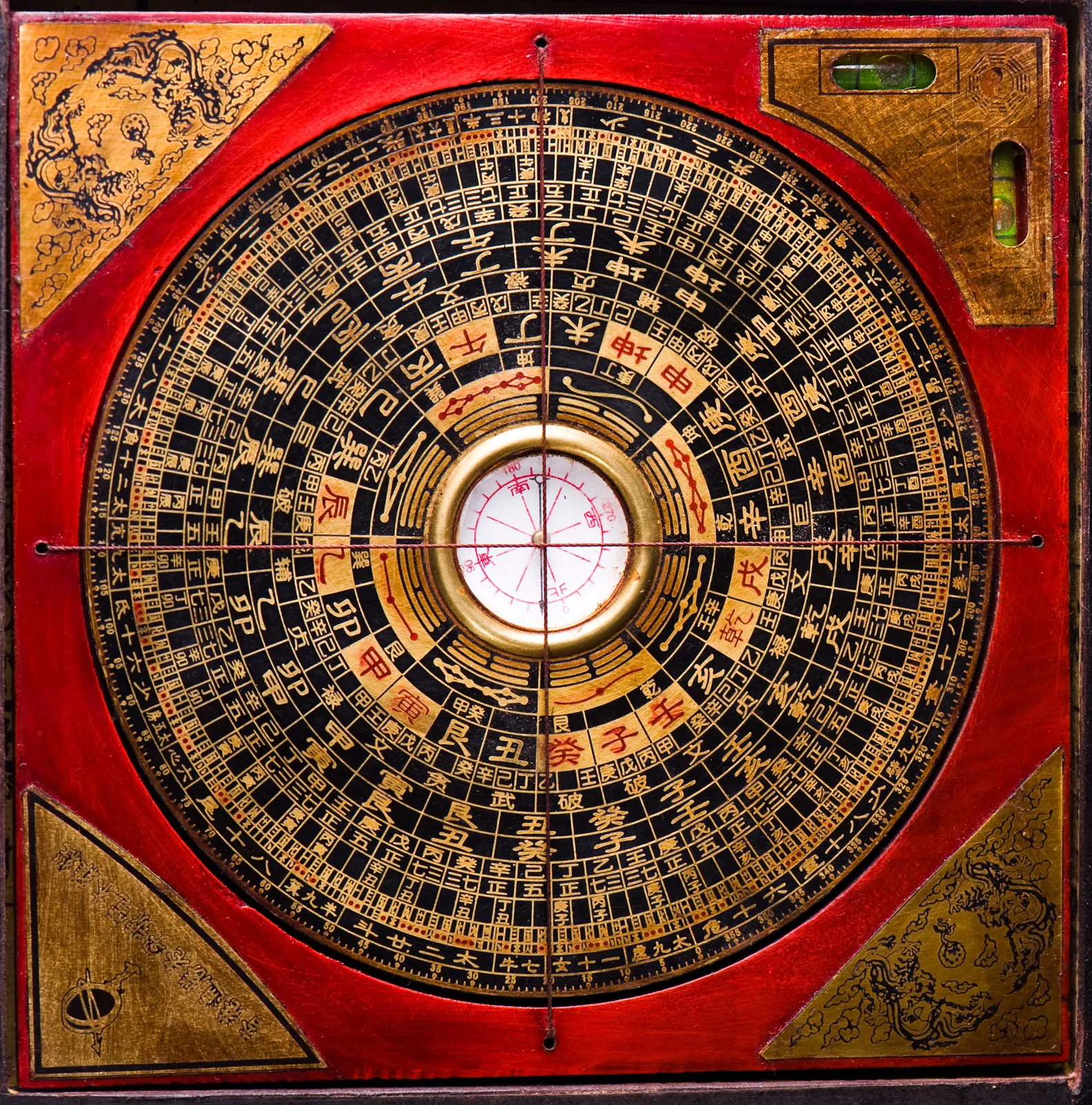
Feng Shui (pronounced fung shway) is an ancient Chinese practice that claims to use energy forces to harmonize individuals with their surrounding environment.
Translated literally:
- Feng means Wind.
- Shui means Water.
In Chinese culture, wind and water are associated with good health. Thus, good Feng Shui came to mean good fortune and bad Feng Shui means bad luck.
At its core, it is not about decorating or superstition; it is about mindfulness. It is the art of arranging your living space to allow energy (known as Qi or Chi) to flow freely, creating a supportive environment for your specific goals—whether that’s better sleep, career success, or improved relationships.
The Core Principles
To understand how to arrange your furniture, you first need to understand the three pillars of Feng Shui.
1. Qi (The Energy)
Think of Qi as a stream of water flowing through your home. You want it to meander smoothly. You don't want it to be blocked (by clutter), rushing too fast (through long, empty corridors), or stagnant (in dark corners).
2. Yin and Yang (The Balance)
This is the balance of opposites.
- Yin is feminine, dark, passive, and soft (essential for bedrooms and relaxation).
- Yang is masculine, bright, active, and hard (essential for offices, kitchens, and social areas).
A good home balances these two energies based on the function of the room.
3. The Five Elements
Feng Shui suggests that the world is made up of five elements. Balancing these in your home creates harmony:
- Wood: Growth and vitality (Plants, green colors).
- Fire: Passion and high energy (Lighting, red colors, candles).
- Earth: Stability and balance (Stones, beige/sand colors, squares).
- Metal: Logic and clarity (Round shapes, metallic finishes, white/gray).
- Water: Wisdom and flow (Mirrors, dark blue/black colors, fountains).
3 Simple Steps to Feng Shui Your Home Today
You don’t need to knock down walls or buy expensive statues to start. Here are three practical ways to apply Feng Shui immediately.
1. Clear the Clutter
This is the absolute golden rule. Clutter blocks the flow of Qi. It represents unfinished business and creates stagnant energy.
The Fix: Tackle one drawer or corner at a time. If you don't love it or use it, let it go.
2. The "Command Position"
This is vital for the essential furniture in your life: your bed, your desk, and your stove.
- The Rule: You should be able to see the door from where you are sitting or lying down, but you should not be directly in line with it.
- Why? This places you in command of your life and allows you to see opportunities (or threats) coming, reducing subconscious anxiety.
3. Mind Your Entryway
In Feng Shui, the front door is called the "Mouth of Qi." It is how energy enters your home and life.
- The Fix: Ensure your front door opens fully (no coats behind it blocking the swing). Keep the area well-lit, clean, and inviting. A dead plant or a broken doorbell at the entrance can repel good opportunities.
Common Feng Shui Mistakes to Avoid
- Mirrors facing the front door: Tradition says this bounces the good energy right back out of the house.
- Broken items: Keeping chipped mugs or broken clocks symbolizes brokenness in your life. Repair them or recycle them.
- Storage under the bed: Sleeping on top of clutter (especially old shoes or work documents) can disrupt sleep and cause subconscious stress.
Final Thoughts
Feng Shui is a journey, not a sprint. You don't need to change everything overnight. Start by observing how your home makes you feel. Does it drain you, or does it recharge you?
By making small, intentional changes, you can transform your home into a sanctuary that supports the life you want to live.